
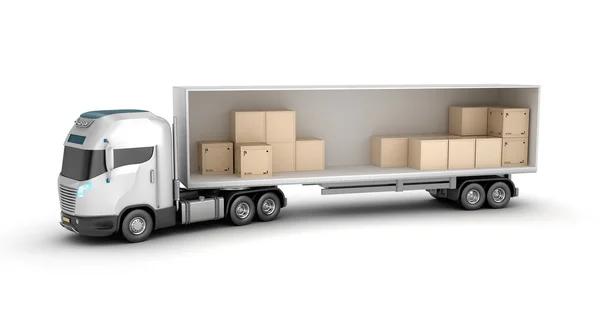

Less-Than-Truckload (LTL) freight shipping is a cost-effective way to transport smaller shipments that do not require the space of an entire truck. However, these costs can quickly add up if not managed properly. Here are some practical ways to minimize LTL freight charges.
Firstly, it’s crucial to understand your freight class and ensure it’s accurately classified. The National Motor Freight Traffic Association (NMFTA) has established 18 different classes based on weight, dimension, stowability, handling and liability factors. Misclassification can result in higher fees or unexpected adjustment charges.
Secondly, packaging your shipment efficiently can also help reduce costs. By using pallets and stacking items correctly, you can maximize the use of space while ensuring the safety of your goods during transit. Proper packaging also reduces the risk of damage that could lead to additional expenses.
Another effective strategy is consolidating shipments whenever possible. Instead of sending out multiple smaller shipments throughout the week or month, consider consolidating them into one larger shipment. This will not only save on per-shipment charges but also reduce handling costs and lower the risk of loss or damage.
Negotiating rates with carriers is another important step towards minimizing LTL freight charges. Don’t hesitate to ask for discounts or better terms especially if you have a good track record as a shipper or if you’re offering regular business to a carrier.
Moreover, maintaining accurate shipping data is vital in controlling LTL freight costs. Accurate dimensions and weights prevent reweighing fees while correct pickup and delivery information helps avoid redelivery fees.
Investing in technology can significantly streamline your logistics process by providing real-time visibility into your supply chain operations which allows for read more informed decision making about routing options and carrier selection thus reducing overall transportation costs.
Finally yet importantly, consider working with a third-party logistics provider (3PL). A 3PL can leverage their expertise as well as their relationships with multiple carriers to negotiate better rates on your behalf. They can also provide valuable insights into optimizing your shipping processes and strategies.
In conclusion, minimizing LTL freight charges requires a comprehensive approach that includes understanding freight classification, efficient packaging, consolidating shipments, negotiating with carriers, maintaining accurate shipping data, leveraging technology and partnering with a 3PL. By implementing these strategies, businesses can significantly reduce their LTL freight costs while ensuring their goods are transported safely and efficiently.